Neuropathy clinic marketing that fills the consult calendar.
People with numb, burning or tingling feet have usually been told to live with it. We run the ads, patient stories and follow-up that reach them, earn their trust and get them in for an evaluation.
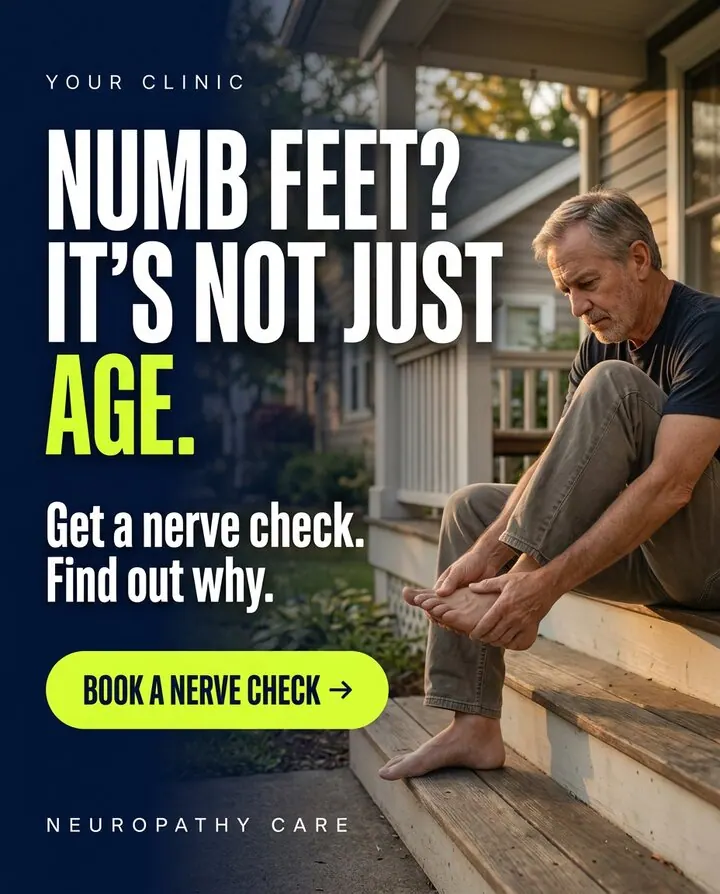
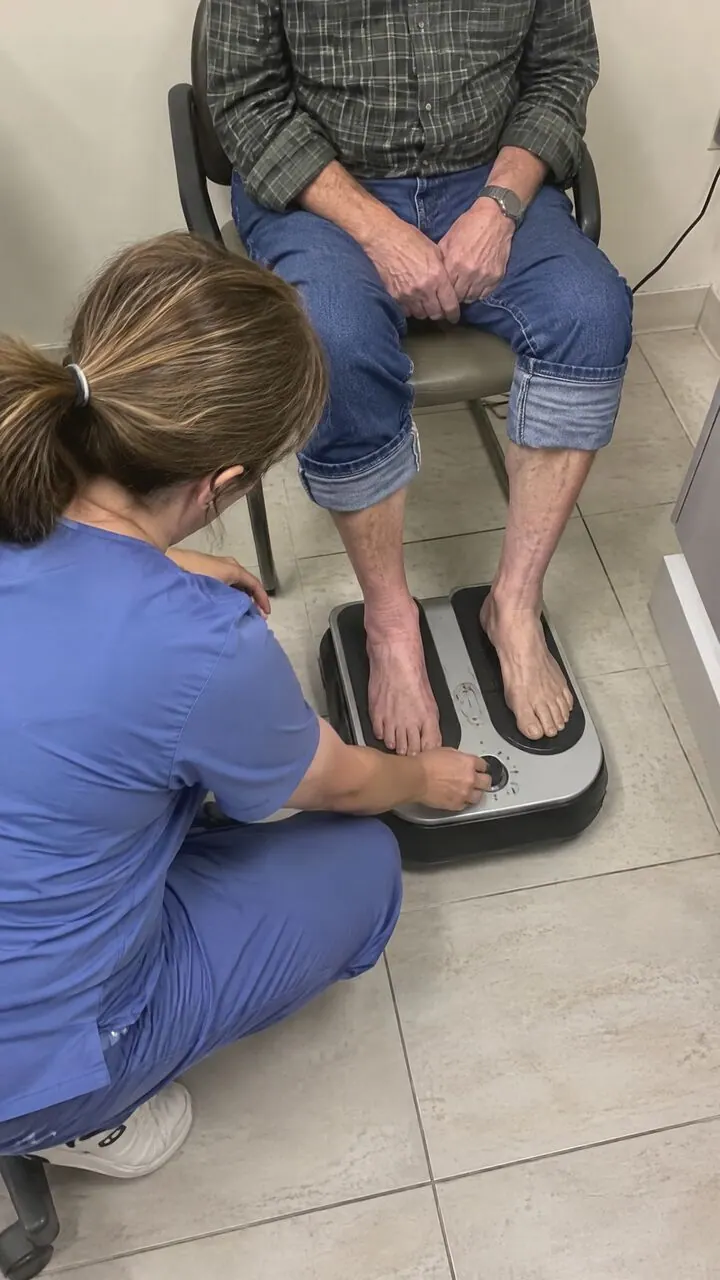
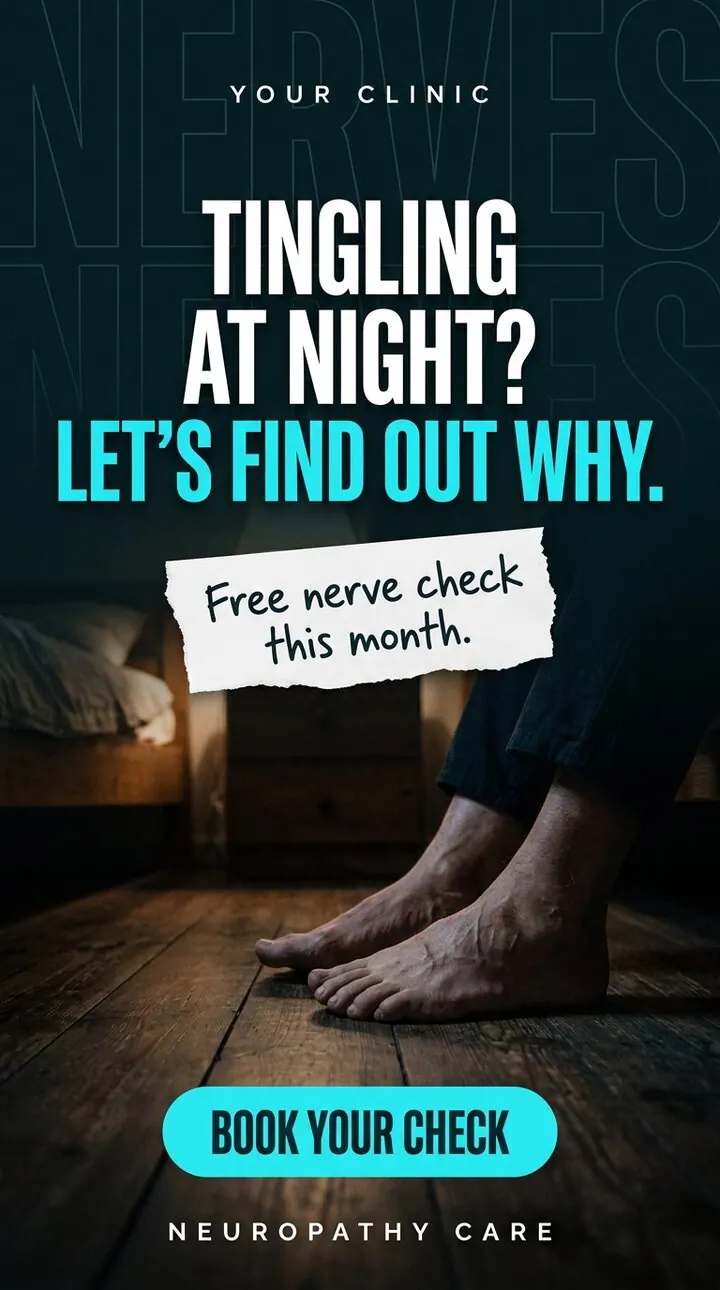
How neuropathy patients find a clinic.
Most neuropathy patients are over 50, have tried medication or been told nothing else can be done, and research for weeks before they call. Many are caring for a spouse or are cared for by an adult child who does the searching.
Neuropathy marketing, end to end.
Ads, content, pages and follow-up, planned together and measured on booked patients.
Search campaigns on symptom terms
Google ads on the words patients actually type, like numb feet or burning feet at night, sent to a page about that symptom.
Patient story videos
Short videos of real patients, filmed with consent, explaining what daily life was like before they came in. These do the heavy lifting on Facebook and YouTube.
Meta campaigns for 50 plus
Facebook and Instagram campaigns written for older adults and their families, inside Meta’s rules on health language.
An evaluation booking page
One clear page for the free or low-cost nerve evaluation, with a short form, click-to-call and answers to the questions people are too shy to ask.
Fast follow-up
Every enquiry texted to your team in seconds, with a call script and a seven-day follow-up plan so leads do not go cold.
Seminars and workshops
Educational evenings promoted to local audiences, with reminders that lift attendance, for clinics that convert well in person.
What works, and what we avoid.
What we lead with
- A nerve evaluation or consult, clearly priced or clearly free
- Educational workshops for patients and family members
- Video explainers on what neuropathy is and what treatment involves
- Patient stories about daily life, not promises of outcomes
What we stay away from
- Claims that a treatment cures or reverses neuropathy
- Second-person health statements like “Do you have neuropathy?” in Meta ads
- Before and after language about results
- Pressure tactics around package pricing
Rules we work within
The neuropathy rules we check every campaign against. Platforms and regulators update these often, so we re-check before launch.
- Meta does not allow ads that assert or imply a viewer’s health condition. “Do you have diabetes?” is its own example of what is not allowed. Meta personal attributes policy ↗
- Meta bans ads claiming to cure diabetes, which it lists as incurable. Claims about managing symptoms are treated differently. Meta health and wellness policy ↗
- The FTC expects health claims to be backed by competent and reliable scientific evidence, and says testimonials can never substantiate a health claim. FTC health products guidance ↗
- Google does not allow ads for stem cell, cellular, regenerative medicine or PRP therapies, apart from FDA licensed or approved therapies and purely educational content. Google experimental treatments policy ↗
- Google treats health as a sensitive category, so clinics cannot use customer lists, lookalike audiences or audience expansion for health ads. Google personalized ads policy ↗
General information, not legal advice. Your healthcare attorney has the final word on your clinic.
Numbers your front desk would recognize.
Every month, in plain English, in your own accounts and in Clinic OS.
Before you ask.
How do you advertise neuropathy treatment without breaking ad rules?
Which works better for neuropathy clinics, Google or Facebook?
Do free nerve evaluations attract the wrong patients?
Can you market neuropathy services for a clinic that is just adding them?
Related clinic types.
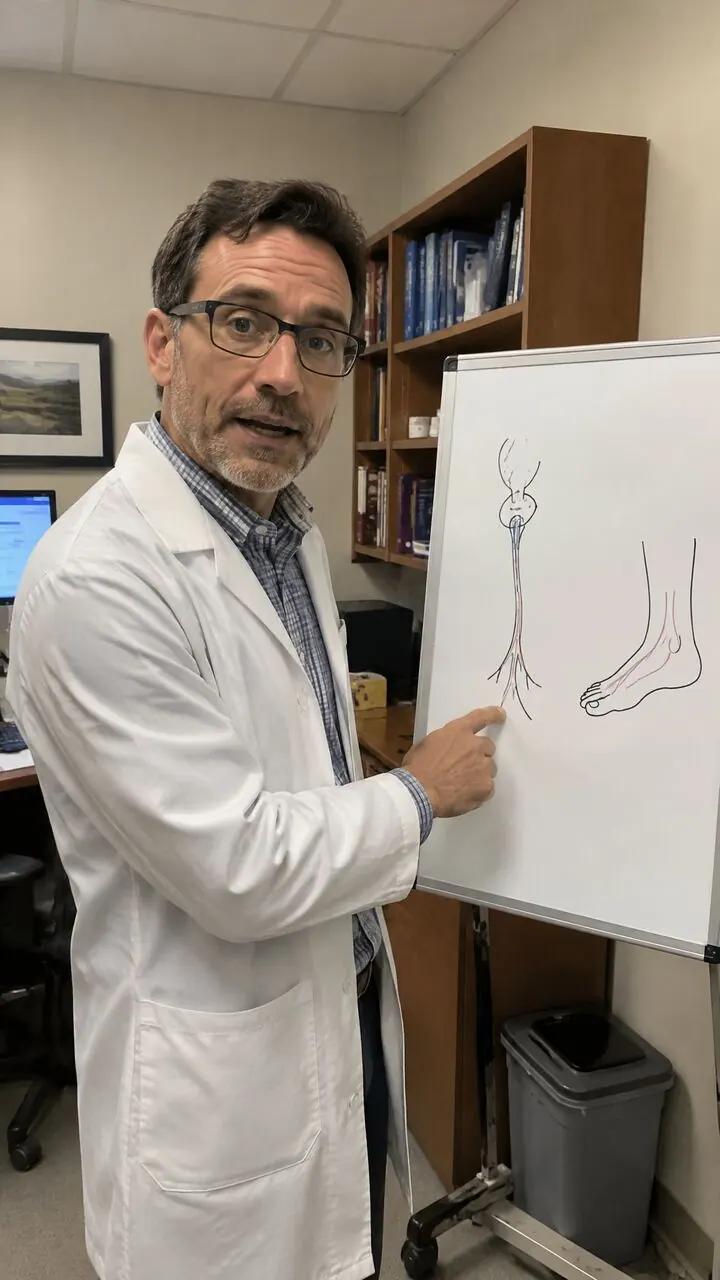
Regenerative medicine clinics
Regenerative medicine marketing built on honest claims.
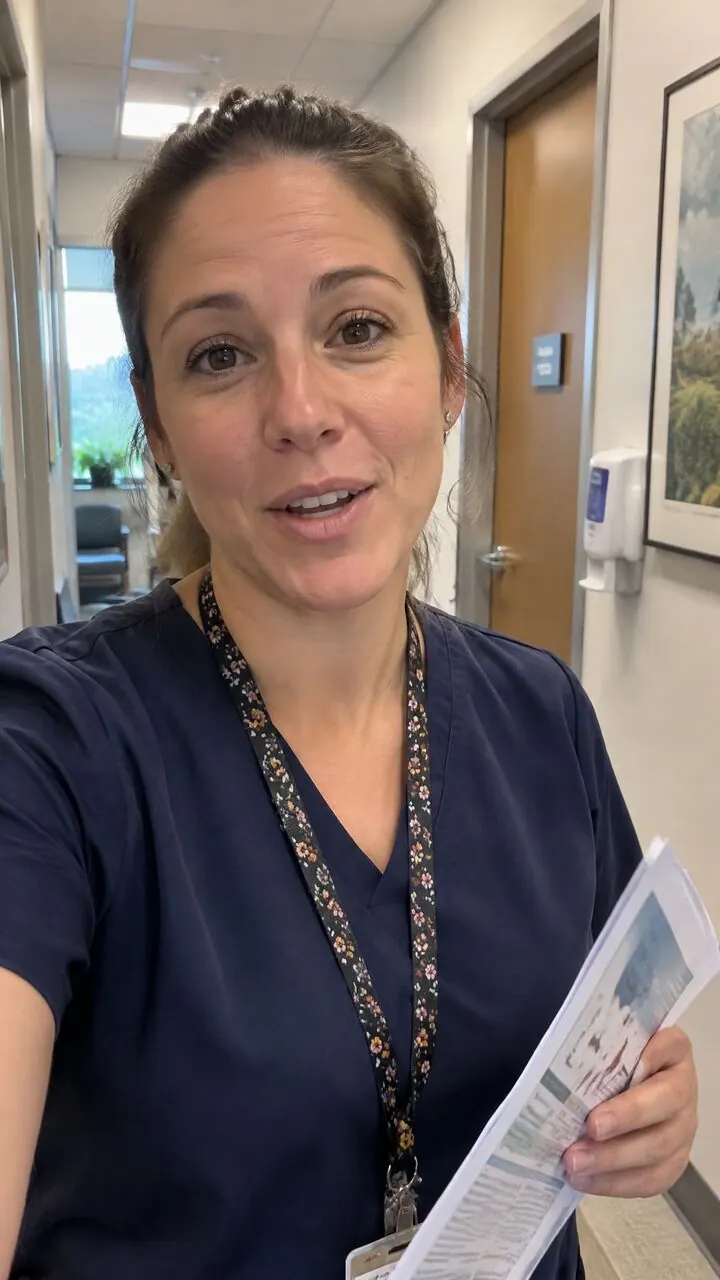
Wound care clinics
Wound care marketing that keeps referrals coming.
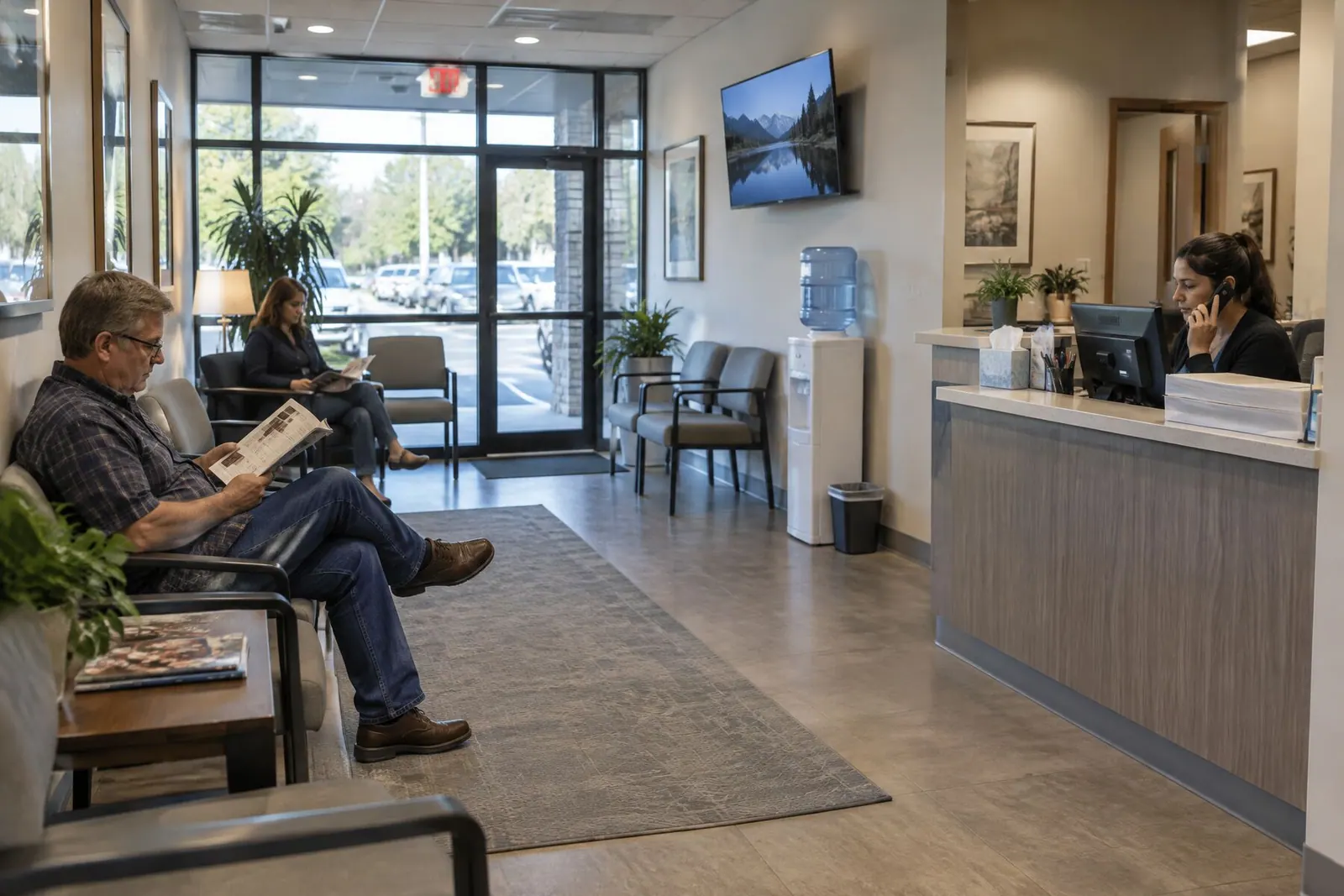
Chiropractic clinics
Chiropractic marketing that wins the local search.

How to start a clinic
Our step-by-step guide, plus rules for every state.