
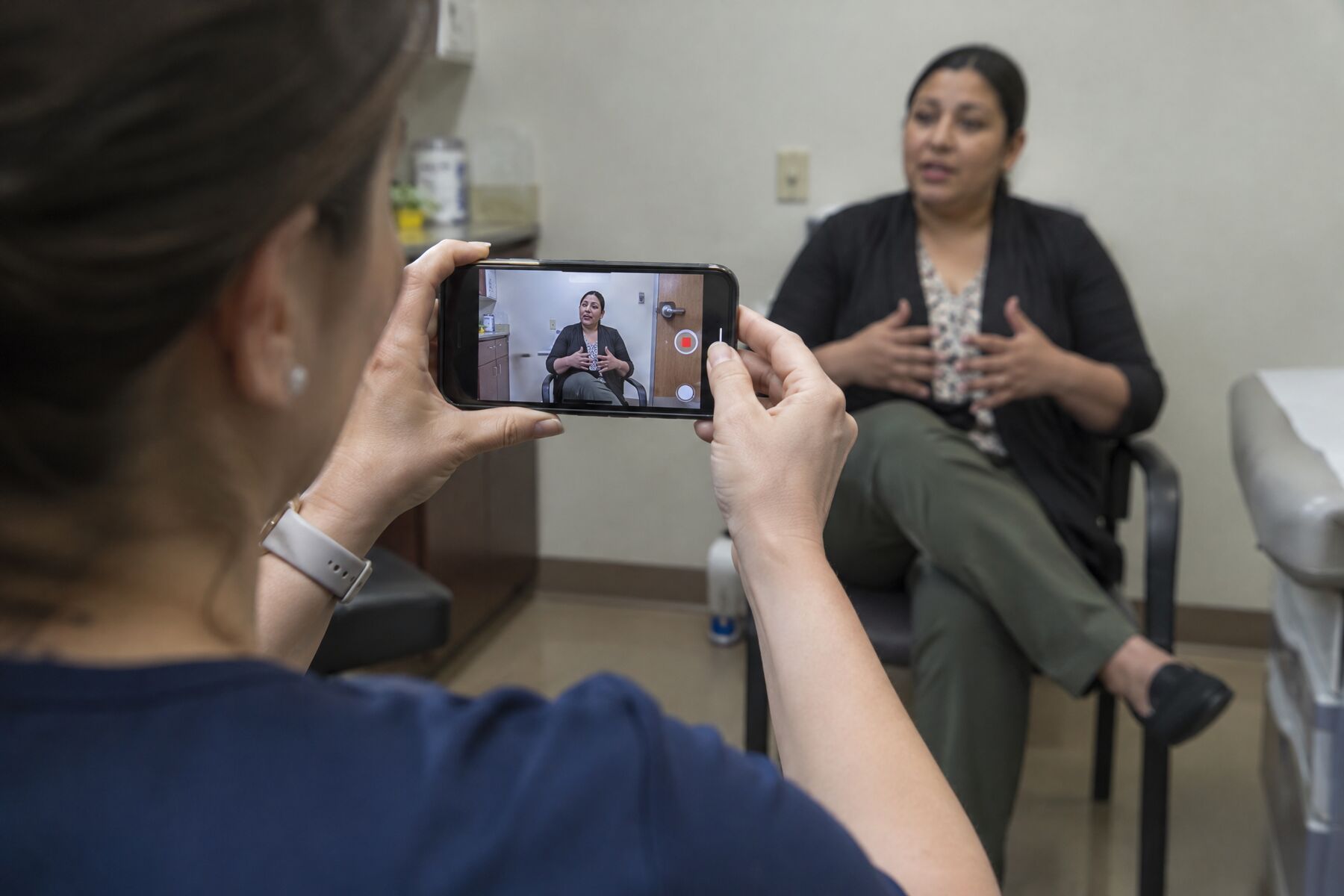
Why patient stories work
Patients choosing a clinic are trying to answer one question: will this work for someone like me? Your website can explain the treatment, and your team can sound reassuring, but a real person who was in the same position answers that question in a way nothing else can.
Short, natural phone videos also fit the platforms. On Instagram, Facebook and TikTok, a clip that looks like it was filmed by a person tends to blend into the feed, while a glossy production looks like an ad and gets scrolled past.
Consent comes first
A patient video is protected health information the moment it shows who they are and what they were treated for. Before anything is filmed:
- Get written authorization. The patient signs a consent form that says what will be filmed, where it may be used (social media, ads, website) and for how long.
- Make it genuinely optional. No pressure, no discounts that look like payment for a good review, and an easy way to say no.
- Make it easy to withdraw. If a patient changes their mind, take the content down.
- Disclose any incentive. If a patient received anything in return, the FTC’s endorsement rules expect that to be disclosed.
- Have your attorney review the form. Rules vary by state and by service. A short review by a healthcare attorney is cheap insurance.
This is general guidance, not legal advice. Speak to your own healthcare attorney about your consent process.
How to film on a phone
- Face the light. Sit the patient facing a window. Never film with a window behind them.
- Go somewhere quiet. Close the door, turn off music, silence phones. Sound matters more than picture.
- Film vertical, at eye level. Hold the phone upright and steady, or use a small tripod.
- Get close. Head and shoulders, about an arm’s length away.
- Record more than you need. Two or three minutes of conversation usually gives you thirty great seconds.
- Let silences breathe. Wait a beat after each answer. The best line often comes second.
Questions that get great answers
Closed questions get one-word answers. Open questions get stories. Try these:
- What was a normal day like before you came in?
- What made you finally book?
- What were you nervous about?
- What was your first visit actually like?
- What would you tell a friend who was thinking about it?
Avoid asking patients to describe medical outcomes or make promises. Their experience is the story. Results claims belong to your clinical team, and ad platforms are strict about them.
Where to use the footage
One good conversation can become a month of content:
- Reels and Stories on your own pages, 15 to 45 seconds each.
- Paid ads using the strongest opening line as the hook in the first three seconds.
- Treatment pages on your website, right beside the booking button.
- Follow-up messages to people who enquired but haven’t booked yet.
Common mistakes
- Over-scripting, so the patient sounds like they’re reading.
- Filming in a noisy hallway or with the TV on.
- Using clips without signed consent “just this once”.
- Posting the raw clip without captions. Many people watch with the sound off.
- Filming once and stopping. The clinics that win make it a monthly habit.
Our UGC & Patient Stories service runs this whole loop for you: we train your team, set up the consent workflow, edit every clip and put the best ones to work in your ads.